Sunday, March 14, 2021

Chemistry of Water Corrosion in Flint, Michigan

       Everyone has seen in the news the water issues plaguing the city of Flint Michigan and the basis behind the contamination issues comes down to chemistry. 

    The issues arose when the city decided to switch their water supply from the Detroit River to the Flint River water in 2014. The new water was treated with the same chlorine disinfectant as the previous source, but lacked orthophosphate corrosion inhibitors that had been added to the Detroit River water previously used. Within months of switching problems began to occur.

Lead concentrations were found in the water to be ~50 times more than the EPA's standards. Olson et. al were concerned that the pipes were the possible culprits to be blames for the contamination.  Using inductively an inductively coupled plasma mass spectrometer (ICPMS) they were able to observe the metal content in various samples of lead service line pipes.  In most pipes build ups of various substances are expected throughout the pipes lifetime. In pipes from Flint Michigan, the build up was found to be composed of 12.4% lead, which was significantly lower than that of lead pipes from other areas which didn't use the Flint River water, which had values around 54%.

How does chemistry play into this issue?


The answer is the removed mineral preservation layer. Mineral preservation layers protect the pipes from corrosion by adding phosphate (PO44-) ions to the water before it is distributed. This encourages the formation of a lead (II) phosphate (Pb3(PO4)2) crust inside the pipes, which prevents the lead in the pipes from undergoing a characteristic redox reaction, which oxidizes the lead from its neutral solid state and leaches itself into the water.


With phosphate not being added the mineral layer present in the pipes began to degrade and expose the metal lead in the pipes.

The study also found that the low pH (7-8 compared to 10 from other water systems) of the water exiting the facility was contributing to corrosion by increasing the solubility of the lead (II) carbonate (PbCO3), which may also act as a protection layer in the pipes. When PbCO3 dissolves it allows for the formation of carbon dioxide and releases free lead ions into the water, disrupting the equilibrium depicted below.


These chemical factors above caused the lead contamination issues above, but through recognizing the problem and switching back to Detroit’s water supply the city was able to begin to reverse their water chemistry. The problems however do highlight the issues surrounding the continued use of lead pipes and the importance of replacing and upgrading aging civil infrastructure. 


Sources:

https://www.pbs.org/newshour/science/study-confirms-lead-got-flints-water

https://www.michiganradio.org/post/flint-water-crisis-began-5-years-ago-city-better
 

 Environ. Sci. Technol. Lett. 2017, 4, 9, 356–361

https://www.acs.org/content/acs/en/education/resources/highschool/chemmatters/past-issues/2016-2017/december-2016/flint-water-crisis.html


Saturday, March 6, 2021

Converting Carbon Dioxide into Jet Fuel


Despite the dire predictions of climate change, carbon dioxide emissions are continuing to increase at a rate of ~1.3% per year. The greatest percentage of emissions arise from transportation where fossil fuels (hydrocarbons) are burned to provide fuel for cars, airplanes, and other vehicles.


Efforts to convert carbon dioxide into fuel and other valuable chemicals have generally been hindered by the chemical stability of carbon dioxide which causes it to have low reactivity. Furthermore, when hydrocarbons have been synthesized from carbon dioxide, they tend to be short-chain rather than long-chain which can be problematic as fuels are generally comprised of long-chain hydrocarbons. These reactions also often require multiple steps or rely on catalysts that require expensive or significant amounts of resources to make which hampers their widespread implementation.

These limitations were recently overcome, however, by researchers at Oxford who created a catalyst (pictured below) comprised of iron, manganese, and potassium that was able to transform carbon dioxide into hydrocarbons in high yields. This catalyst preferentially made C5+ hydrocarbons which puts the products in the range of jet fuel. Furthermore, the preparation of the catalyst is fairly simple and saves both energy and time in comparison to other preparations. This remarkable discovery creates the long-chain hydrocarbons required for fuel while also remaining cost-effective which indicates that it could be used to help recycle emissions into jet fuel on a larger scale.


Conversions such as this one from carbon dioxide into jet fuel could one day be a part of what is known as the Circular Economy (shown as b in the image below), a concept that envisions carbon recycling in part through carbon dioxide conversion. We currently use the Linear Economy (shown as a in the image below) where resources are used and disposed of, however, the Circular Economy views emissions like carbon dioxide as a resource to be recirculated. The Circular Economy has numerous benefits including the conservation of natural resources, preservation of the environment, and economic growth and advancements such as this will help immensely in achieving this environmentally friendly economy.

Sources:

Nat. Commun. 2020, 11, 6395. https://www.nature.com/articles/s41467-020-20214-z

https://www.sciencenews.org/article/new-iron-based-catalyst-converts-carbon-dioxide-into-jet-fuel

https://www.epa.gov/ghgemissions/sources-greenhouse-gas-emissions#:~:text=The%20largest%20source%20of%20greenhouse,electricity%2C%20heat%2C%20and%20transportation.&text=Approximately%2063%20percent%20of%20our,mostly%20coal%20and%20natural%20gas

https://www.sciencedirect.com/science/article/abs/pii/S0165237018310878#:~:text=Aviation%20or%20jet%20fuel%20is,compounds%20%5B2%2C3%5D.&text=The%20aromatic%20hydrocarbons%20in%20the,%E2%80%9325%25%20%5B2%5D

https://www.southernwings.co.nz/the-effects-of-wind-on-aircraft/

Wednesday, March 3, 2021

Can Chemists Solve the Plastic Problem?


    An article published in Science News talks about how chemists are working on trying to solve one of the biggest problems to our environment: plastics. In 2018, 27 million tons of plastic made it into landfills, while only 3 million tons were recycled. This large disparity is a result of recycling not producing useful products that manufactures can use. In the U.S., there are two major types of plastics that are recycled: high-density polyethylene (HDPE), which can be found in milk jugs and detergent containers, and polyethylene terephthalate (PET), which is found in soda bottles and will be the main plastic talked about in this post. The article in Science News specifically talks about four ways different ways chemists are trying to solve this recycling issue, but I will only highlight two in this post: breaking products down into different plastics and breaking plastics down to a molecular level.

     A major issue when trying to recycle plastic products is that each individual plastic needs to be separated, because when certain plastics are mixed together, they yield unwanted results. Normally a simple assembly line where people or machines are picking out plastics works sufficiently enough to separate out the different types of plastics, especially when talking about milk jugs and soda bottles, but some plastic products are complicated, like deodorant containers, where the cap, crank, and bottle are all different types of plastics.

    George Huber of the University of Wisconsin-Madison and colleagues set out to solve this issue by coming up with a process that uses liquid solvents to dissolve individual plastic components, which allows for a separation of the individual plastics in a complex product. The process Huber and colleagues produced was successful in getting 95% of each plastic out of the product. The process involved stirring the plastic in a toluene solvent, which dissolved the polyethylene layer and then putting it into DMSO, which stripped off ethylene vinyl alcohol (EVOH), leaving only PET. The use of antisolvent chemicals was then used to separate the polyethylene and EVOH from the solvents. Huber plans to look at different solvents and more plastics to eventually make this method a way of effectively sorting even the most complicated plastic products.

    Another issue is that recycled plastics obtain the characteristics from the original product, making it harder for manufactures to produce something useful out of them and recycling breaks chemical bonds allowing products to only be recycled a certain number of times.

     To solve this issue companies started working on a new type of recycling called chemical recycling. Chemical recycling involves breaking down the plastic at a molecular level, but this recycling method is costly, energy inefficient, and varies for each plastic type. One of the leading companies in this research is a company in France called Carbios. They are studying PET first because it is the easiest to take apart and they found that cutinase, which is an enzyme produced by microorganisms, cutinase breaks down PET when it has been mutated. The mutated cutinase broke down 90% of PET in 10 hours, whereas the non-mutated cutinase only broke down 50%. Cutinase breaks down PET into ethylene glycol and terephthalic acid, which can be made into recycled materials more easily than just using PET.

    Both of these methods can still be improved on, as well as the methods not mentioned in this post. Chemists are actively trying to solve the global plastic problem, but many of these methods may take years to fully develop, so other actions should be taken to reduce the use of plastics.

Sources:

https://www.sciencenews.org/article/chemistry-recycling-plastic-landfills-trash-materials

Tournier, V., Topham, C.M., Gilles, A. et al. An engineered PET depolymerase to break down and recycle plastic bottles. Nature. 2020, 580, 216-219. DOI: 10.1038/s41586-020-2149-4.

Walker, T.W., Frelka, N., et al. Recycling of multilayer plastic packaging materials by solvent-targeted recovery and precipitation. Sci. Adv. 2020, 6. DOI: 10.1126/sciadv.aba7599.

https://www.worldwildlife.org/stories/what-do-sea-turtles-eat-unfortunately-plastic-bags

https://www.chemistryworld.com/news/plastic-eating-bacteria-show-way-to-recycle-plastic-bottles-sustainably/9556.article


Monday, March 1, 2021

Can Humans Become Immortal

     In this Article posted by Sciworthy, they describe an experiment performed on voles to study how oxytocin can slow down cellular aging. The article goes on to describe how cellular aging works; telomere caps protect the DNA molecules and with each cellular division, the telomere caps become shorter and shorter. Eventually, your cells will stop diving which leaves you vulnerable to disease. 

    In previous studies glucocortico was discovered to shorten telmeres, speeding up the process of cellular aging. Glucocortico is commonly a response to stress and isolation. However, on the other hand, oxytocin is produced from positive social interaction having the opposite effect of glucocortico. So the scientist theorized that oxytocin would help prevent reduce the cell aging process thus preventing telomere shortening. Research for this experiment was conducted by giving oxytocin treatments to socially isolated voles. Researchers chose voles for this experiment because like humans they are very social animals as well as having increased stress levels when isolated for long periods. 

      Approximately 60 voles were used in this experiment, each was either placed in a cage by themselves or with a sibling. Isolated some isolated voles were chosen to receive oxytocin This experiment took place over 42 days, with days 0,21,42 being days blood samples were taken to measure telmeres. Blood samples from day 1 were damaged, but samples from day 21 and 42 gave good data. It showed that the isolated voles who received the oxytocin didn't lose length on their telomere and had very similar lengths to those voles who we in the cage with a sibling. This study showed the necessity of positive social interaction, while also showing the negative effects of isolation through the voles who were kept and had clear signs of stress. As well as giving a model for further research into humans. 

    The other article describes research on fish with different aging processes. It was discovered that fish like zander and perch have a more gradual aging process because they have higher levels of long-chain fatty acids that act as anti-inflammatory agents. While fish like that age at a very slow rate like pike have a long chain of unsaturated fatty acids called Hexadecanedioc acid. These long-chain help produce energy, regulating reproduction, and hormone production. They also found phospholipids which are associated with longer lifespans, these phospholipids are responsible for many of a body's normal functions and can act as antiacids. However, the real reason why it's so important is that it encourages autophagy which destroys old cells and creates new ones. When autophagy decreases aging begins to occur. This experiment helps pinpoint the specific reason aging starts and how harnessing these anti-aging compounds could lead to longer human life. 

Sources:

https://sciworthy.com/oxytocin-slows-down-aging-in-lonely-prairie-voles/

https://sciworthy.com/can-fish-help-us-understand-why-we-age/


Thursday, February 25, 2021

Can Mammoths walk among us again?


In the New York Times they wrote about a team of Paleo-geneticist and evolutionary biologist were able to sequence the oldest DNA now on record. The previous oldest DNA that was sequenced was 700,000 years old from a horse specimen but one of the 3 mammoths’ fossils that had its DNA extracted and sequenced was 1.2 million years old! the fossils that were retrieved were believed to be that of the Columbian mammoth, this is a species that roamed what is modern day north America. The way that the DNA was extracted from the mammoth was from the molars of each fossils. The molars were described as big as milk cartoons which is a huge tooth. theses molars were drilled into and the material collected were then treated various chemicals and enzymes followed by a washing protocol which isolated the DNA base pairs from each fossil.

Mammoth Molar (archive.kuow.org)

              After the DNA base pairs was extracted, they then had to decontaminate it since there are other base pairs from plants, bacteria, and even some humane DNA mixed in with the mammoth’s fossil over time. They then used the DNA of an African Elephant, who is a close descendant of the mammoth, to weed through all the non-mammoth DNA. They were able to use the African elephant’s DNA to match up similar base pairs, they then used it to put the 49 million-3.7 Billion based pairs that were collected from the fossils in the correct order making the DNA fully sequenced. This is now the oldest DNA sequenced, this shows great promise to future studies of the animal and
so many other species since sequencing older DNA is becoming more of a reality.

 This also helped the researchers discover that the once singular evolutionary tree of the Columbian mammoth is no longer singular, the team realized the oldest DNA was different from the 2 other Columbian mammoths DNA sequences. The DNA was similar but different enough to allow the team of researchers to see that the 3 fossils were related but the oldest sequence was different, leading them to believe it belonged to a previously unknown lineage of mammoth. It was previously thought that there was a single lineage of mammoth in Siberia that gave rise to the woolly mammoth and then the Columbian mammoth. However, it turns out that the Columbian mammoth is a hybrid of this new linage and the woolly mammoth. This would have never been discovered without the sequencing of this 1.2-million-year-old DNA. This opens research in a new lineage that they never knew about, allowing them to start to understand how it lived in the past.

This type of research shows that science behind sequencing DNA is not at its limits yet, they now can sequence million-year-old DNA. In the actual Nature article that this paper was published in states that theoretically DNA as old as 2.6 million years can be sequenced since it has been preserved by the permafrost of the ice age which these animals are from. Scientist state that this will not lead to “Jurassic Park”, but it is a possible step in that direction, and I am sure a lot of people expect something like that since we are able to do so much with DNA now such as cloning and gene editing. There could be a real-world possibility that we could see mammoths walking among us again depending on how future research goes with this ancient DNA.   

Sources:

https://www.nytimes.com/2021/02/17/science/DNA-mammoth.html

https://www.nature.com/articles/d41586-021-00436-x

https://www.google.com/url?sa=i&url=http%3A%2F%2Farchive.kuow.org%2Fpost%2Fwhat-do-you-do-when-you-find-mammoth-molar&psig=AOvVaw1JKeHsOXhJbFlv0FtgYx43&ust=1614369244699000&source=images&cd=vfe&ved=0CAIQjRxqFwoTCMDql5vohe8CFQAAAAAdAAAAABAD

https://www.google.com/imgres?imgurl=https%3A%2F%2Fmedia.npr.org%2Fassets%2Fimg%2F2015%2F07%2F02%2Fwoollymammoth-1-4ba6588454a9337c2f2b217b998adb4ce4b4313c.jpg%3Fs%3D1000&imgrefurl=https%3A%2F%2Fwww.mprnews.org%2Fstory%2F2015%2F07%2F03%2Fnpr-checking-dna-against-elephants-hints-at-how-mammoths-got-woolly&tbnid=NYFnOZ4x9m075M&vet=12ahUKEwjtzIfV6IXvAhXECd8KHZZ-A1MQMygHegUIARDhAQ..i&docid=ZvZu1_LtF7nsdM&w=1000&h=748&q=mammoth&ved=2ahUKEwjtzIfV6IXvAhXECd8KHZZ-A1MQMygHegUIARDhAQ      


Tuesday, February 23, 2021

Sea-Stars Suffocating

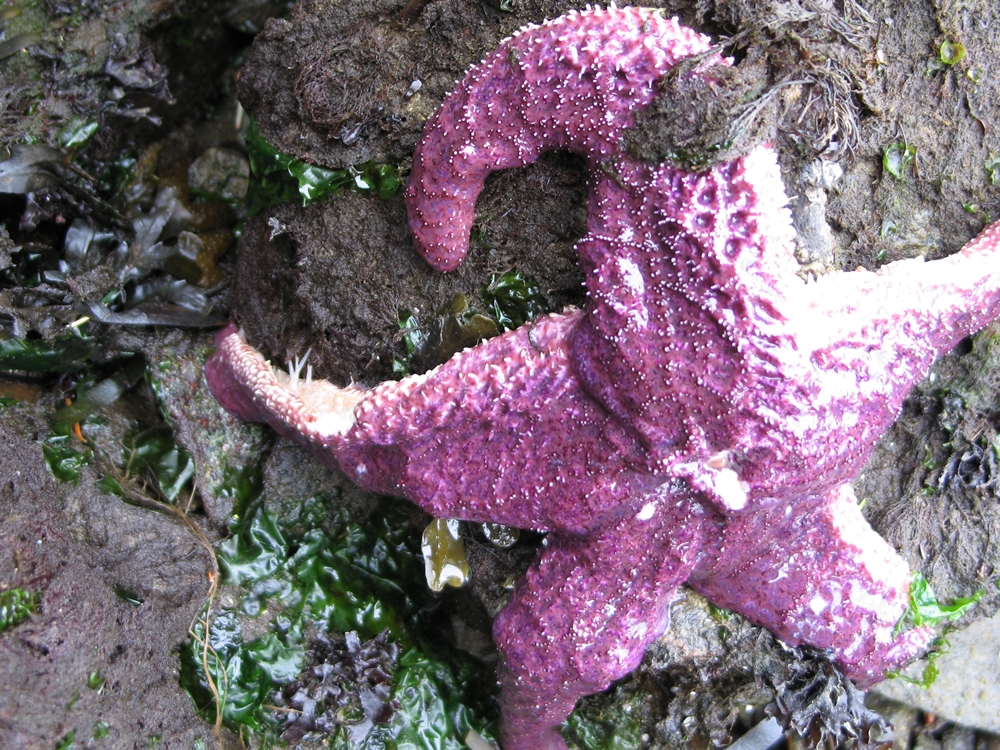
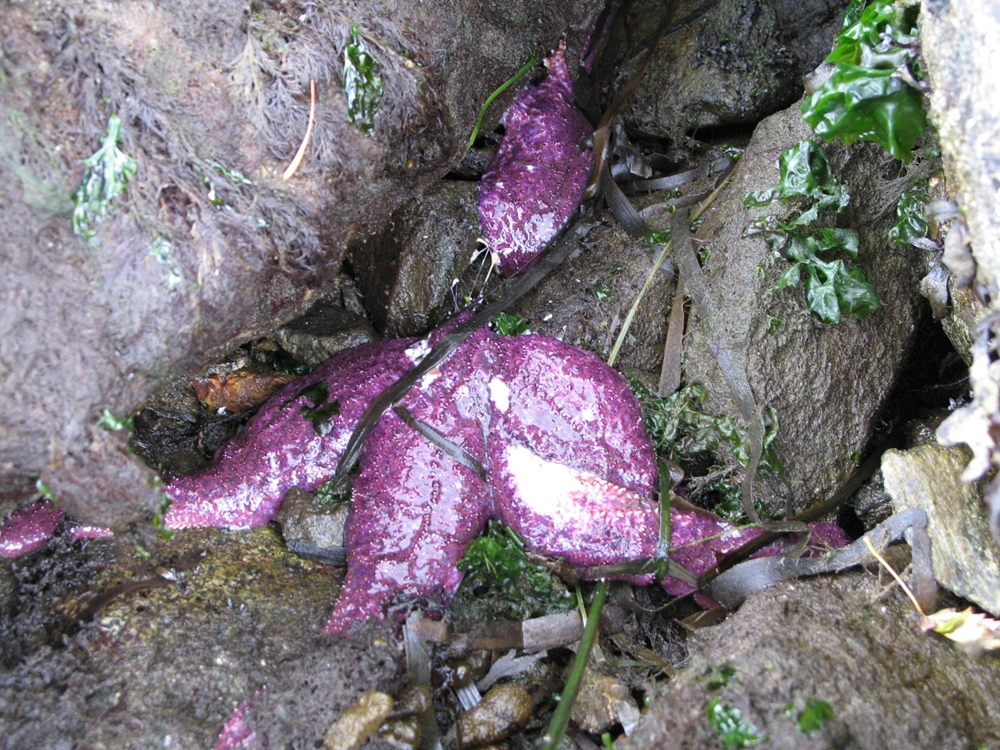
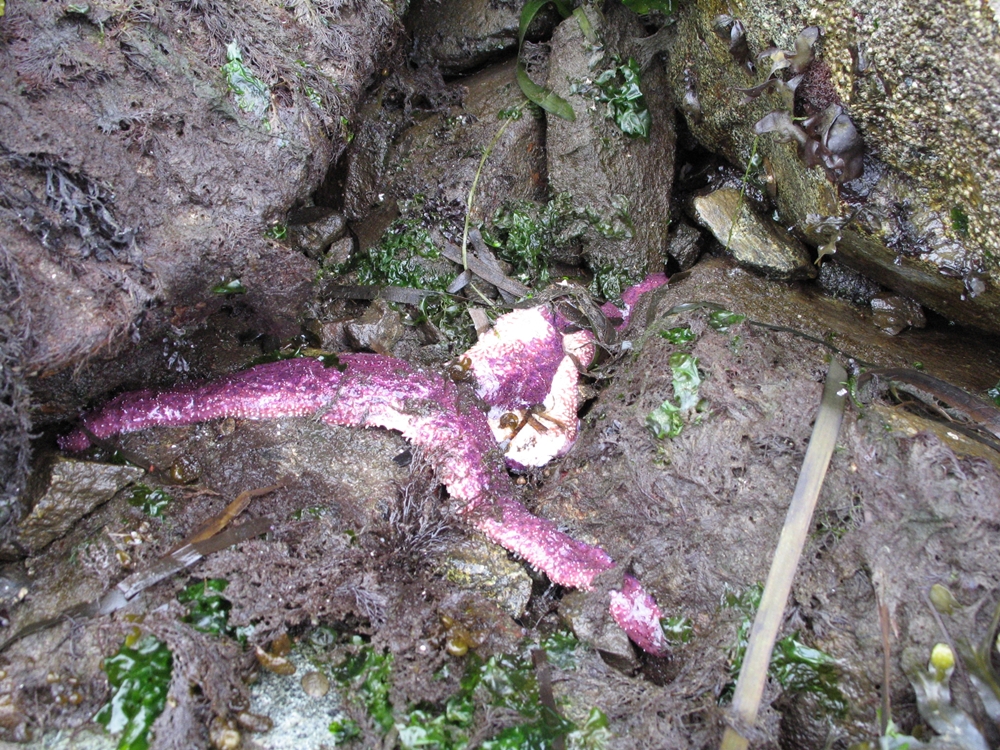
               While above the water humans are currently enduring a pandemic, under the water, starfish are undergoing an epidemic of their own. Across the pacific coast of North America, starfish are turning into a leathery goo as sea-star wasting disease suffocates and kills many species of starfish. Species such as the sunflower sea stars are being deemed critically endangered as the disease has overcome 90% of their population. The culprit of this epidemic? Climate change and microscopic bacterium.

diseased pisaster ochraceus on June 27, 2014diseased pisaster ochraceus on June 28, 2014diseased pisaster ochraceus on June 29, 2014

Photo credit: Kit Harma

               Over time, the Earth’s average conditions have become warmer and warmer. This warming of the Earth has caused the temperatures of the oceans to rise. With this rise in ocean temperature comes an increase in the concentration of organic materials in the waters. Organic materials are defined in chemistry as being carbon-containing with covalent bonding. Certain bacteria called copiotrophs, which are bacteria found in areas with high levels of carbon that rapidly consume carbon for their respiration, begin to thrive continuously as the organic material concentrations keep rising. These bacteria respirate, consuming the organic materials in the water, as well as depleting the oxygen in the water.

               These bacteria also live on the outer surface of the starfish’s skin. When the waters become too warm and the organic matter concentrations reach levels too great, the bacteria reach numbers too high for the starfish to live. The bacteria in large proportions begin to use all of the oxygen up in the water surrounding the starfish to suffocate and die. Starfish don’t breathe like humans; however, they diffuse water over their skin through papulae, which are little skin gills. Without the oxygen to breathe, the starfish “drown,” and this triggers the wasting of the starfish.

               The problems these starfish face are stuck in a cycle of even more wasting and extinction. As more starfish die, more will start to waste. When they die, their organic materials will be consumed by the copiotrophs around them, causing the bacteria to thrive even more. Those bacteria will continue to suffocate the other starfish around them. Climate change is also predicted to get worse and worse, causing the waters to get warmer and warmer on average. Gasses like oxygen are dissolved in the water and the warmer it is, the less energy it will take for the oxygen to escape and leave the water. Conversely, the colder the water is, the tighter it holds onto the oxygen, making it harder for oxygen to escape the water. So with less oxygen in the water and warmer waters containing even more of these suffocating bacteria, the starfish of the world are in a dangerous position.

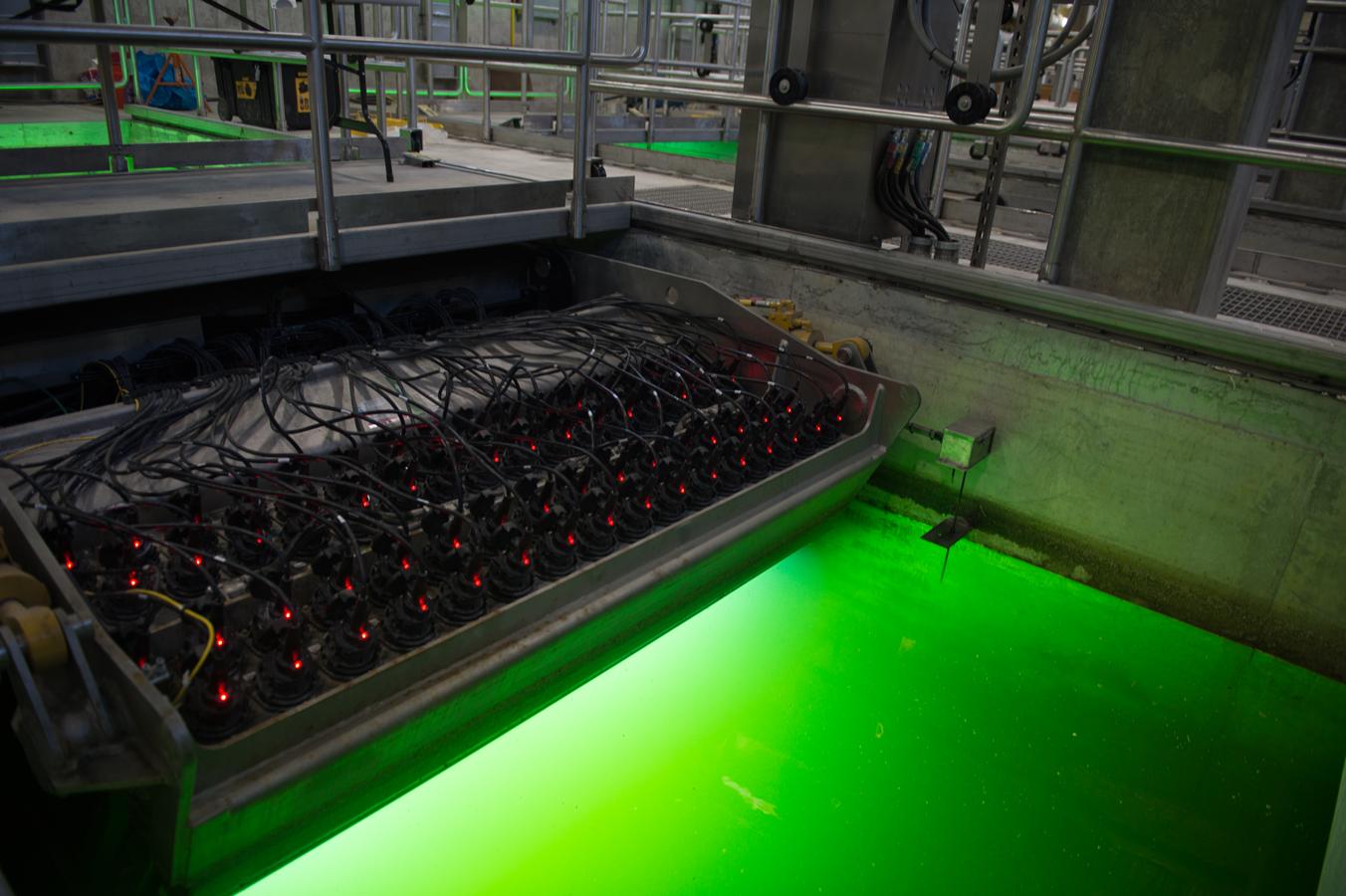
Photo Credit: MWRD
               There are some solutions that are being investigated to help save the starfish, however. One option that scientists are looking into is to pump oxygen into the water to give the starfish more to breathe with. Another direction that is being researched is the use of ultra-violet radiation to remove the excess organic matter from the waters. The UV radiation can cause organic materials to degrade and break apart. This is done by raising the energy states of the molecules, causing the formation of radicals (free singular electrons), which further break apart more and more bonds. By removing the excess organic matter from the water, the copiotroph populations would drop, helping the starfish populations maintain themselves. With no immediate solution in sight, increasing numbers of species of starfish will near extinction.

               For more information on sea-star wasting disease click here.

Written by Sean Shacklock.

Sources:

https://www.sciencenewsforstudents.org/article/bacteria-suffocating-sea-stars-wasting-disease-goo

https://www.nbcnews.com/science/environment/warming-oceans-may-be-choking-oxygen-starfish-causing-them-drown-n1253355

https://www.sciencedaily.com/releases/2021/01/210106133017.htm